
Cancer Treatment in India

Specialist cancer care across surgery, radiotherapy, medical oncology and advanced treatment options.
Cancer treatment depends on the type and stage of cancer, the tumour's biology, your general health and the treatment already received. In India, patients can access surgical, radiation and medical oncology services, often within the same cancer centre.
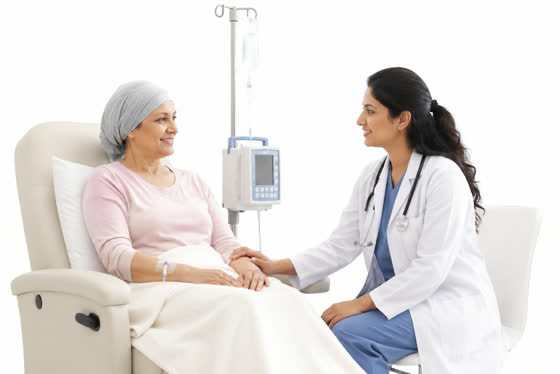
Who May Need Treatment?
- Patients with a confirmed cancer diagnosis who are exploring treatment options or a second opinion.
- Patients who need surgery, radiotherapy, chemotherapy, targeted therapy or immunotherapy.
- Patients with blood cancers who may require stem cell or bone marrow transplantation.
- Patients with advanced cancer who need treatment alongside pain and palliative care.
Treatment Options
Surgery
Open, laparoscopic and robotic surgery is available across breast, head and neck, chest, digestive, liver, urinary, gynaecological, bone and brain cancers.
Radiotherapy
Treatment options include 3D conformal radiotherapy, IMRT, IGRT, VMAT, stereotactic radiotherapy and brachytherapy. Proton therapy is available at a small number of centres for selected cases.
Chemotherapy & other medicines
Treatment may include chemotherapy, targeted therapy, immunotherapy and hormone therapy. Targeted and immune treatments depend on the biology and biomarkers of the tumour.
Stem cell & bone marrow transplant
Autologous, allogeneic, matched unrelated donor and haploidentical transplants are available. CAR-T therapy is also available in India for selected blood cancers.



Why India?
Established Indian cancer centres bring surgery, medical oncology, radiation oncology, radiology and pathology together. Multidisciplinary tumour boards can review a patient's case before treatment, helping different specialists plan care together. Treatment can also be organised without the long waiting periods found in some health systems.
Recovery and What to Expect
- Major cancer surgery may require about 5 to 10 days in hospital.
- Chemotherapy may be delivered as day care or with a short admission depending on the treatment.
- Radiotherapy is usually delivered as an outpatient treatment over several weeks.
- A full radiotherapy course may require 7 to 9 weeks in India.
- Surgery alone may require around 3 to 4 weeks in India.
- Your treating team should confirm when you are medically fit to travel. After major surgery or during periods of low blood counts, flying may not be safe.
Top Hospitals for Cancer Treatment
Look for a dedicated cancer centre with a multidisciplinary tumour board, appropriate radiation equipment, pathology review and molecular testing where required. Hospital accreditation should be independently verified.
Max Super Speciality Hospital, Saket
New Delhi
Apollo Hospital Greams Lane | Best Hospital in Chennai
Chennai
Fortis Hospital Gurgaon - Best Hospital in Gurugram
Gurugram
Frequently Asked Questions
Can I get a second opinion before travelling?
Yes, and you should. Send your reports, scans and pathology. At larger centres a full tumour board reviews the case together. Curify arranges this free, before you commit to anything.
Can I start treatment in India and continue at home?
Often yes. Surgery here, then chemotherapy or radiotherapy at home, is a common pattern. It works when it is planned in advance. Agree the handover with your local oncologist before you fly, not after.
Will my treatment plan change after I arrive?
It might. Teams usually repeat scans and review your biopsy slides, which sometimes changes the staging. If the plan changes you should get a fresh written estimate before anything starts.
How do I know if a cancer hospital is suitable for my case?
Ask about your cancer, not the hospital in general. How many cases a year? Is there a tumour board? Do they have the scans, radiotherapy and pathology your plan needs? Accreditation is the starting point, not the answer.

Share your medical reports to explore suitable cancer treatment options in India.
Share Your Medical ReportsThis page is for general information only. Cancer treatment decisions should be made with a qualified oncologist who has reviewed your individual case.