
Organ Transplant in India

Kidney and liver transplant care for eligible international patients, with strict legal and medical requirements.
Organ transplantation in India is tightly regulated. International patients must meet both medical and legal requirements, and living donor transplantation requires a legally recognised donor relationship and prior approval.
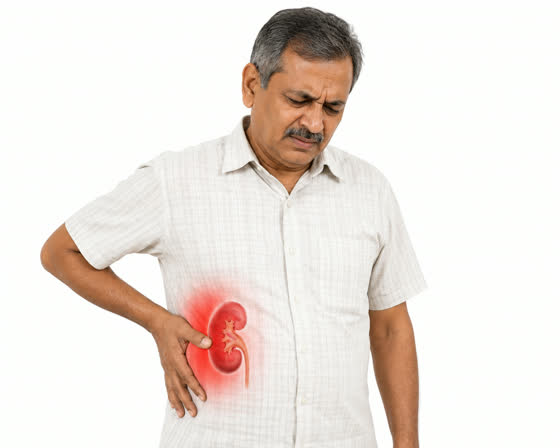
Who May Need Treatment?
- Patients with kidney failure who are medically suitable for kidney transplantation.
- Patients with advanced liver disease who are suitable for liver transplantation.
- Patients with an eligible living donor who meets the legal requirements.
- Patients considering other transplants who first need to understand the rules around deceased-donor allocation.
Treatment Options
Kidney Transplant
Living-donor kidney transplantation is available, including selected ABO-incompatible procedures.
Liver Transplant
Living-donor liver transplantation uses a portion of the donor's liver and is an established area of expertise in India.
Other Organ Transplants
Heart, lung and pancreas transplantation depend on deceased donors and are subject to allocation rules. International patients should not travel expecting access to a deceased-donor organ.
Bone Marrow & Stem Cell Transplant
These are covered separately under cancer and children's treatment.


Who Can Donate?
A living donor for a foreign national must meet the applicable legal definition and the transplant must receive the required government approval. The recognised near-relative categories include spouse, children, parents, siblings and grandparents or grandchildren. A donor cannot be sourced or arranged for payment.

Why India?
India has extensive experience with living-donor kidney and liver transplantation and established transplant centres with dedicated teams. The legal requirements are strict because living donation must be voluntary and protected from commercial arrangements.
Recovery and What to Expect
- A kidney recipient may stay in hospital for about 7 to 14 days, while a kidney donor may require around 4 to 7 days.
- A liver recipient may require around 3 to 4 weeks in hospital, including intensive care when needed. A liver donor may require around 7 to 10 days.
- Total time in India is often around 8 to 12 weeks for kidney transplantation and 10 to 14 weeks for liver transplantation.
- Immunosuppressive medication is lifelong after transplant and requires regular monitoring.
- Both the recipient and donor need an appropriate follow-up plan before returning home.
Top Transplant Centres
Look for a registered transplant centre, an appropriate Authorisation Committee process, dedicated transplant ICU, transplant immunology and tissue-typing facilities and an experienced transplant coordinator. The centre should have a clear post-transplant plan for follow-up after you return home.
Max Super Speciality Hospital, Saket
New Delhi
Apollo Hospital Greams Lane | Best Hospital in Chennai
Chennai
Fortis Hospital Gurgaon - Best Hospital in Gurugram
Gurugram
Frequently Asked Questions
Can you find me a donor?
No. Buying or arranging organs is a crime in India and Curify will not take part in it. You bring your own donor, with proof of relationship and usually embassy certification. We handle the medical work and the logistics once a lawful donor is in place.
Can a cousin donate?
Not automatically. Indian law treats spouse, parents, children, siblings and grandparents as near relatives. A cousin sits outside that, so an authorisation committee has to approve it, satisfied there is genuine attachment and no payment. That takes longer and is not guaranteed. Raise it early.
Will I need medication forever?
Yes. Immunosuppressants carry on for as long as the transplant works. Doses drop over time but never stop. You will need regular blood tests. Check the drugs are available and affordable at home before you travel.
Can the donor and patient travel separately?
They can arrive separately, but both have to be in India for the workup and the legal process, and committees often want to see both in person. The visas differ too. We map the timeline before either of you books.
What happens if the donor is found unsuitable?
It happens, and it is better found before surgery than after. Blood group mismatch, unsuitable anatomy, an undiagnosed condition or legal grounds can all rule someone out. Another family donor, or a swap programme where one is offered, may be options. Costs already spent are usually not refunded.

Share reports for both the patient and intended donor to explore whether transplant in India may be appropriate.
Share Your Medical ReportsThis page is for general information only and is not medical or legal advice. Transplant eligibility and donor approval depend on individual medical assessment and applicable Indian law.