
Rehabilitation and Physiotherapy in India

Structured rehabilitation for neurological, orthopaedic, cardiac, pulmonary and post-surgical recovery.
Rehabilitation aims to improve function, independence and quality of life through structured therapy. The right programme depends on the condition, current level of function and the amount of therapy needed.
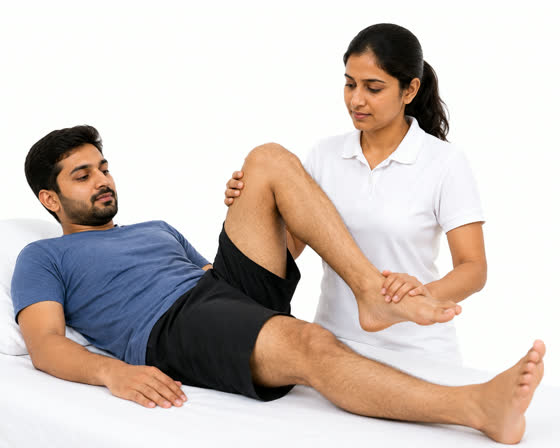
Who May Need Rehabilitation?
- Patients recovering from stroke or traumatic brain injury.
- Patients with spinal cord injury or neurological conditions such as multiple sclerosis or Guillain-Barré syndrome.
- Patients recovering after joint replacement, spinal surgery, fractures or other orthopaedic procedures.
- Patients who need cardiac or pulmonary rehabilitation.
- Children with cerebral palsy and other developmental or neurological needs.
- Patients requiring amputee rehabilitation, speech therapy, occupational therapy or pain rehabilitation.
What Rehabilitation Includes
Neurological Rehabilitation
Stroke, traumatic brain injury, spinal cord injury, Guillain-Barré syndrome and multiple sclerosis.
Orthopaedic Rehabilitation
Recovery after joint replacement, ligament reconstruction, spinal surgery and fractures.
Cardiac & Pulmonary Rehabilitation
Structured exercise and lifestyle programmes after heart surgery or for chronic lung disease.
Paediatric Rehabilitation
Support for children with cerebral palsy and other conditions affecting function and participation.
Specialist Therapy
Speech and swallowing therapy, occupational therapy, pain rehabilitation, prosthetics and gait training.



Why India?
Rehabilitation outcomes depend strongly on the amount and quality of therapy received. Indian rehabilitation centres can offer longer, structured programmes with multiple therapy sessions each day and family training as part of the programme.
Recovery and What to Expect
- Intensive neurological rehabilitation may require around 4 to 12 weeks.
- Spinal cord injury rehabilitation may require around 8 to 16 weeks.
- Rehabilitation after joint replacement may require around 2 to 4 weeks followed by a home programme.
- Cardiac rehabilitation may continue for 6 to 12 weeks, often partly at home.
- Good programmes set measurable goals, review progress regularly and prepare the family for continued care at home.
- Recovery depends on the underlying condition. Rehabilitation improves function and independence but does not repair every underlying injury.
Top Rehabilitation Centres
Look for a dedicated rehabilitation facility with physician-led care, standardised outcome measures, adequate therapy hours, family training and a clear discharge plan. For spinal cord injury, ask about bladder and bowel management, pressure sore prevention, spasticity management and wheelchair support. For amputees, ask whether prosthetic fitting and gait training are available within the same programme.
Max Super Speciality Hospital, Saket
New Delhi
Apollo Hospital Greams Lane | Best Hospital in Chennai
Chennai
Fortis Hospital Gurgaon - Best Hospital in Gurugram
Gurugram
Frequently Asked Questions
How long should we stay?
Depends on the goals. Neuro rehabilitation after a stroke or spinal injury usually runs four to eight weeks, sometimes longer. Orthopaedic rehabilitation is nearer two to four. Teams set goals and review them, so keep the return flexible.
Will my relative walk again?
Nobody can promise that, and treat it as a warning sign if someone does. It depends on the injury, how complete it is, how long ago it happened, and how consistently your relative works at it. You get a realistic view after assessment.
Is it too late to start rehabilitation?
Usually not. The fastest gains come in the first three to six months, but people improve years later. Later work focuses on strength, independence, spasticity and pain. An assessment tells you what is realistic now.
Can rehabilitation continue at home?
Yes, and it should. You leave with a written home programme, videos where useful, an equipment list and a handover to a local physiotherapist. Family are trained in transfers before discharge. Video reviews keep the programme moving.
Do we need a family member to travel?
We strongly recommend it. Progress depends on daily encouragement, and a familiar face matters after a stroke or brain injury. Family are also trained in transfers and exercises, which is what makes care at home work. The medical attendant visa covers this.

Share the medical reports and current functional details to explore a suitable rehabilitation programme in India.
Share Your Medical ReportsThis page is for general information only. Rehabilitation planning should be done by a qualified rehabilitation physician who has assessed the patient.